Una deliciosa manera de celebrar la lectura al aire libre
Leamos y Probemos: Las frutas de temporada como inspiración para contar historias
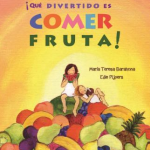
El verano es una temporada llena de sol, frutas dulces y momentos especiales con tus hijos. ¡Es el momento perfecto para dar vida a los libros a través de la naturaleza y la comida! Los niños pequeños aprenden mejor cuando la enseñanza es práctica y está conectada con el mundo que los rodea. Una de las formas más sencillas y alegres de fomentar la alfabetización temprana es combinando la lectura de verano con el juego al aire libre y el placer natural de las frutas de temporada.
Las frutas de verano como las fresas, duraznos, arándanos y sandía no solo son saludables y deliciosas, sino que también están llenas de experiencias sensoriales que estimulan el aprendizaje del lenguaje.
Aquí te mostramos cómo las familias pueden celebrar la lectura de verano a través de la naturaleza y la comida, mientras fortalecen el lenguaje, el vocabulario y crean recuerdos familiares.
¡Exploremos juntos! Lleva frutas a tu momento de lectura.
Estas conversaciones ayudan a desarrollar el lenguaje descriptivo y el vocabulario de forma divertida y natural.
¡Aventurémonos Juntos! Picnics de cuentos al aire libre
Lleva tu hora de cuentos a un parque local, el jardín o el patio. Prepara una manta, una cesta con libros y bocadillos de frutas frescas. Deja que tu hijo elija los libros y las frutas: eso les da autonomía y entusiasmo.
¡Seamos Creativos: Crea un Diario de Verano “Frutas y Diversión”!
Anima a tu hijo a dibujar o escribir sobre las frutas que prueban o las aventuras al aire libre que viven después de leer. Incluso pueden pegar calcomanías de frutas, envoltorios o hojas para hacerlo más interactivo.
Este tipo de diario combina lectura, escritura y reflexión—todas habilidades clave para el desarrollo de la alfabetización temprana.
¡Celebremos Juntos! Fiesta de lectura y frutas de verano
Al final del verano, celebren sus aventuras lectoras organizando una pequeña “Fiesta de Frutas y Cuentos”. Invita a amigos o familiares a compartir sus libros y frutas favoritos del verano. Los niños pueden contar sus cuentos favoritos, cantar canciones o representar escenas de libros.
No tiene que ser algo grande—solo una manera divertida de cerrar una temporada llena de aprendizaje y risas.
¡Celebremos la lectura de verano del 2025!
¡Únete al Programa de Lectura de Verano de la Biblioteca del Condado de Yolo!
La lectura de verano es mucho más que terminar una lista de libros: se trata de crear experiencias alegres y reales que den vida a las historias. Cuando las familias leen juntas, disfrutan frutas de temporada y exploran la naturaleza, los niños desarrollan bases sólidas de alfabetización de formas significativas y memorables.
El Programa de Lectura de Verano de la Biblioteca del Condado de Yolo promueve la alfabetización para personas de todas las edades, ofreciendo incentivos para desarrollar y mantener el hábito de la lectura durante toda la vida.
¡Gana libros y premios! Haz clic en el siguiente enlace para obtener más información:
The summer season is full of sunshine, sweet fruits, and special moments with your children. It’s the perfect time to bring books to life through nature and food! Young children thrive when learning is hands-on and connected to the world around them. A simple and joyful way to build early literacy is to combine summer reading with outdoor play and the natural delight of seasonal fruits
Summer fruits like strawberries, peaches, blueberries, and watermelon are not only healthy and good treats, they’re also full of sensory experiences that spark language learning.
Here’s how families can celebrate summer reading through nature and food while building language, vocabulary, and family memories.
Let’s explore: Bring fruit into your reading time!
These conversations build descriptive language and vocabulary in a fun, natural way.
Let’s Adventure: Outdoor Story Picnics
Take your story time to a local park, backyard, or garden. Pack a blanket, a basket of books, and some fresh fruit snacks. Let your child help choose the books and snacks, it gives them experience and excitement. Create themed picnics!
Encourage your child to draw pictures or write about the fruits they try or outdoor adventures they go on after reading. You can even glue in fruit stickers, wrappers, or leaves to make it interactive.
This type of journaling combines reading, writing, and reflecting—all essential parts of early literacy.
Let’s Celebrate Together: Summer Reading Fruit Party
At the end of the summer, celebrate your reading adventures by hosting a small “Fruit & Story Celebration.” Invite friends or family to share their favorite summer books and fruits. Let kids tell their favorite stories, sing songs, or act out parts of books.
It doesn’t have to be big—just a fun way to wrap up a season full of learning and laughter!
Let’s celebrate Summer Reading 2025. Join the Yolo County Library Summer Reading Program!
Summer reading is more than finishing a book list; it’s about creating joyful, real-world experiences that bring stories to life. When families read together, enjoy seasonal fruits, and explore the outdoors, children build strong literacy foundations in meaningful and memorable ways.
The Summer Reading Program at Yolo County Library helps promote literacy for people of all ages by providing incentives to grow and sustain a lifelong reading habit. Join us for our Summer Reading Program, June 1 – August 15.
The kitchen table isn’t just for eating, it’s a place where conversation, learning, and family bonding can thrive. Family mealtimes offer an incredible opportunity to connect, share, and foster valuable literacy skills in children.
Here are three ways to make family meals into a powerful tool supporting your children’s literacy development and school readiness:
Conversations Spark Learning:
Ask open-ended questions about the day’s events or discuss favorite books and stories. This expands your children’s vocabulary, gives them practice in telling stories, and develops communication skills.
For example, instead of asking, “How was school today?” try asking, “What was the most interesting thing you learned today?” These questions encourage your child to think critically, express themselves clearly, and engage in deeper conversations.
Literacy through Cooking and Recipes:
Mealtime provides a natural setting for learning through cooking. Reading recipes is a fantastic way to combine literacy and life skills. Children can learn to read instructions, follow steps, and remember sequences. Cooking also introduces them to new vocabulary related to ingredients (vocabulary), measurements (math), and cooking methods (science).
Encourage your child to help plan and prepare meals. Let them read the recipe, measure the ingredients, and even write a shopping list. By involving them in meal prep, you are teaching them practical literacy skills they can apply in everyday situations.
Building Family Bonds:
Mealtime provides an opportunity to share stories, laugh together, and encourage a sense of belonging. These moments of connection contribute to a positive emotional environment that can make children more eager to engage in reading, writing, and learning.
Spotlight:
Check out our Storytime Kit: Healthy Food Habits! This kit includes books in Spanish and English, hands-on activities, and fun learning resources designed to teach children about healthy food choices.
As parents, we all want the best for our kids, including a healthy mind and body. One great way to make this happen is by spending time outside. Fresh air and outdoor activities do more than just help your children stay active—they can also boost their learning, creativity, and overall well-being. So, let’s take a closer look at how going outside can make a big difference in your child’s life!
Why is fresh air important?
When we talk about spending time outdoors, it’s not just about getting away from screens or taking a break from schoolwork. Fresh air has real benefits. Here’s why:
Boosts Brain Power: Research shows that spending time in nature can help improve memory, focus, and problem-solving skills. The more time your child spends outdoors, the better they will feel and think.
Improves Health: Outdoor play encourages physical activity, which is great for growing bodies. Whether they are running, climbing, or jumping, your kids will get stronger and healthier.
Reduces Stress: Just like adults, kids can get stressed. Fresh air helps to calm them down and reduces anxiety. Nature offers a peaceful environment where children can relax and reset.
Fosters Creativity: Nature is full of wonders—bugs, trees, clouds, and much more! When kids are outside, they use their imagination and creativity to explore. This sparks new ideas and helps with problem-solving.
Looking for some fun outdoor activities to enjoy with the whole family? Our Nature Explore Backpacks are the perfect addition to any adventure! Take them to the park, enjoy a picnic, or head out for an exploration in nature with our all-in-one kits.
Inside your backpack, you’ll find tools to discover:
Con el tiempo, las familias recogen innumerables historias, momentos y recuerdos que no siempre tienen un principio o fin claro. Pero esos recuerdos son lo que nos hace ser quienes somos, y es importante atesorarlos—tanto los que ya tenemos como los nuevos que creamos. Una forma de hacerlo es comenzando una nueva tradición familiar: el Día de la Memoria.
Entonces, ¿qué es exactamente una tradición familiar? En pocas palabras, una tradición familiar es la historia de nuestra familia—nuestras experiencias compartidas, los recuerdos que tenemos de nuestros padres, abuelos e hijos, y los momentos que nos unen. Pero, ¿por qué son tan importantes las tradiciones? Nos ayudan a mantenernos conectados con nuestras raíces, reflejan nuestros valores y refuerzan el sentido de unidad en nuestra familia.
Hagamos que sea una parte divertida y regular de nuestras vidas volver a visitar nuestras tradiciones familiares y crear nuevos recuerdos cada mes. Ya sea a través de una actividad, cocinar una comida, crear una imagen o simplemente compartir historias, el Día de la Memoria nos permite honrar el pasado mientras creamos algo nuevo con nuestros seres queridos.
Aquí te contamos cómo empezar:
Escoge un día cada mes en el que todos en la familia puedan reunirse—ya sea una tarde de fin de semana, una noche después de la cena, o un tiempo libre en el calendario.
Comienza con algo visual—una foto, un dibujo o un objeto que tenga significado en tu familia. Deja que inspire conversaciones sobre tradiciones pasadas.
Disfruta el momento. Tómate el tiempo para rememorar, reír y compartir recuerdos. Esto se trata de vincularse y crear conexiones.
Hazlo oficial. Añade tu Día de la Memoria al calendario como un evento mensual recurrente, para que se convierta en una tradición.
¿Necesitas inspiración? Puedes consultar nuestra colección de libros, actividades y kits sobre tradiciones familiares, incluyendo nuestras Mochilas Bilingües que cuentan con recursos sobre tradiciones familiares, música, comida y más. Estos kits están disponibles en nuestras sucursales o en el catálogo en línea.
Cada familia tiene una historia que contar—¡asegurémonos de que nunca olvidemos contarla!
Over time, families collect countless stories, moments, and memories that don’t always have a clear beginning or end. But those memories are what make us who we are, and it’s important to cherish them—both the ones we have and the new ones we create. One way to do this is by starting a new family tradition: Memory Day.
So, what exactly is a family tradition? Simply put, a family tradition is the story of our family—our shared experiences, the memories we have of our parents, grandparents, and children, and the moments that bind us together. But why are traditions so important? They help us stay connected to our roots, reflect our values, and reinforce the sense of unity in our family.
Let’s make it a fun, regular part of our lives to revisit our family traditions and make new memories each month. Whether through an activity, cooking a meal, creating a picture, or simply sharing stories, Memory Day allows us to honor the past while creating something new with our loved ones.
Here’s how you can get started:
Pick a day each month when everyone in the family can come together—perhaps a weekend afternoon, an evening after dinner, or a free time on the calendar.
Begin with something visual—a picture, a drawing, or an object that holds meaning in your family. Let it spark conversations about memories and traditions.
Enjoy the moment. Take time to reminisce, laugh, and share memories. This is all about bonding and creating connections.
Make it official. Add your Memory Day to the calendar as a recurring monthly event, so it becomes a tradition.
Need inspiration?
Borrow a Bilingual Backpack. These backpacks feature resources about family traditions, music, food, and more. These kits are available at our branches or online catalog.
Sabemos que la comunicación está en el corazón de cada relación. Ya sea verbal o no verbal, la forma en que nos expresamos da forma a la manera en que nos conectamos con nuestros hijos y cómo ellos navegan por el mundo que los rodea. Una de las formas de comunicación más simples pero poderosas que tenemos a nuestra disposición es una sonrisa.
Una sonrisa es universal, trascendiendo el idioma, la cultura e incluso la edad. Para los niños, una sonrisa puede ser una herramienta poderosa para el desarrollo emocional y social. Es más que solo un gesto de felicidad: puede tener significados como “gracias”, “te veo”, “te aprecio” o simplemente, “estoy aquí contigo”. Al enseñarles a los niños a reconocer y utilizar el poder de una sonrisa, les estamos ayudando a desarrollar su alfabetización emocional y a profundizar sus conexiones con los demás.
Una Sonrisa como un “Gracias” -En el mundo acelerado en el que vivimos, a veces los simples gestos de gratitud pueden pasarse por alto.
Una Sonrisa como “Te Veo” -Cada niño quiere sentirse visto, escuchado y comprendido. A veces, no basta con solo decirles que los vemos; necesitamos mostrarles a través de nuestras acciones.
Una Sonrisa como “Te Aprecio”- Un niño que recoge sus juguetes, ayuda a poner la mesa o simplemente comparte una sonrisa con un hermano – todas estas acciones merecen ser reconocidas.
Una Sonrisa como una Forma de Comunicación-La primera forma de comunicación de los niños no son las palabras, son las expresiones.
Sonreír para Conectar y Brindar Consuelo-Una sonrisa también es una forma de consuelo.
Enseñar Sonrisas como una Habilidad para Toda la Vida -Cuando enseñamos a los niños a sonreír a cambio, les estamos enseñando una valiosa habilidad para la vida: reconocer el mundo que los rodea con positividad y calidez.
How can we help our children pick the right book for them?
Our library has many books for children 0 to 18 including board books for babies, picture books for toddlers, easy readers for beginning readers, chapter books for independent readers, and non-fiction for curious minds.
How do we help our children select books based on their interests, reading levels, and exploration? Without limiting the massive selection of books on the shelves in our library, here are some tips:
PICK:
P: Purpose
– Are they reading for pleasure?
-Are they trying to learn something?
-Is the book going to be read silently or out loud?
-Who is the audience?
I: Interest
-Looking at the front of the cover
-Flipping through the pages
-Reading the back cover
-Reading the chapter titles
C: Comprehend
-Did I understand what I just read?
-Do I remember what I read?
-Was I able to read most of the words?
K: Know the words
Words on the page that you recognize, decode (sound out), or read and understand.
Explore Bilingual Backpack: Cuentos Traditionales
Our Cuentos Tradicionales backpack is full of culture, history, and stories that will take us back to our traditions. You will find songs, rhymes, and long-time favorite stories in this kit. Titles include “La mujer que brillaba aun mas que el sol”, and supplies include one lizard puppet and felt story pieces. Check out our bilingual backpacks.
Would you like to add more songs to your child’s play or reading time?
Let me tell you about the Story Time Kits available in our Yolo County Libraries. The “Let’s Sing This Book” Kit has eight bilingual sing-along books, a puppet and a felt story. The kit includes favorite songs such as Five Little Ducks and Old McDonald Had a Farm.
Family literacy is how a family interacts with text, words, pictures, rhymes, and songs. Family literacy can be practiced by reading books, playing games, and singing songs. Let’s explore literacy through singing.
Sing songs together. Make up new songs, too! The sillier the better. A fun way to sing together is to take a familiar song and add new verses, include family names in the song, find new rhymes, or sing with silly voices. Create new songs about what you are doing and have fun working together. Watch a musical and sing the songs all day long.
Create a family concert and ask your children to practice their favorite song.
Have everyone participate in a family march and make up a song as you go. As you march around the house or outside, the children can collect objects to tell a story or become part of your song.
Help your children read a sing-along book. If you don’t know the tune, make it up!
Be silly!
And of course, have as much fun as possible.
Story Time Kits and Bilingual Backpacks are available at your local Yolo County Library branch. Check out yolocountylibrary.org/learning for additional information.
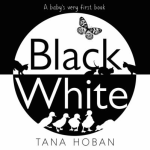
Before about 6 months, a baby’s eyesight is not fully developed. Their ability to focus and see colors is extremely limited. Books with simple, black and white images are perfect for young babies. Sit your baby on your lap, snuggle, and look at a black and white picture book together. Talk to your baby – tell them all about the pictures – they will enjoy the sound of your voice. You can even take their hand and point to things on the page and turn the page together.
At about 5 months, babies can see all the colors. You can introduce the colors in playful, fun, and engaging ways. Here are some ideas:
Locate 1 or 2 basic colors with your child. You might look for red, green, blue, orange, purple, pink, black, or brown. Helping your child identify colors provides a sense of exploration and learning at the same time.
Match a color to things in the household: your child’s room and clothing items. This will allow children to see, point, and listen to you say the color and name of the object. This is a great everyday way to build your child’s vocabulary.
Add color to words to describe an action when identifying objects. For example: “Look at our big red car”, “we have a black dog”, “your shirt has blue dots”
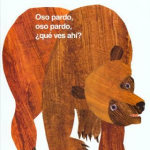
Read books in which colors are identified such as “Brown, Brown Bear What Do You See” by Bill Martin Jr./Eric Carle, and “Mouse Paint” by Ellen Stoll Walsh. Don’t be afraid to read a book over and over. Young children learn from repetition!
While logged in, you also have access to The New York Times InEducation, which provides curated reading lists across 12 disciplines of study.
If you have questions about accessing the NYT, please contact NYT@library.ca.gov.
Find your next great read. Learn more about books and genres you like with Novelist Plus.
Still can’t find what you are looking for? Go to our catalog page and select “Make a Purchase Suggestion” under the Books and More drop-down menu.
Free access to The New York Times Online for 72 hours. Click on the “REDEEM” button. Then create an account or log in with your email address and password. For more information, please watch the short videos which can be found on the Research page. If you have questions about accessing the NYT, please contact NYT@library.ca.gov.
Find your next great read. Learn more about books and genres you like with Novelist Plus.

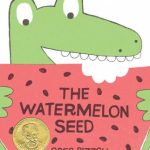 Las frutas de verano como las fresas, duraznos, arándanos y sandía no solo son saludables y deliciosas, sino que también están llenas de experiencias sensoriales que estimulan el aprendizaje del lenguaje.
 Lleva tu hora de cuentos a un parque local, el jardín o el patio. Prepara una manta, una cesta con libros y bocadillos de frutas frescas. Deja que tu hijo elija los libros y las frutas: eso les da autonomía y entusiasmo.
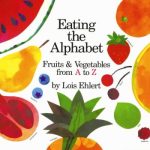 Anima a tu hijo a dibujar o escribir sobre las frutas que prueban o las aventuras al aire libre que viven después de leer. Incluso pueden pegar calcomanías de frutas, envoltorios o hojas para hacerlo más interactivo.
 ¡Gana libros y premios! Haz clic en el siguiente enlace para obtener más información:
 After reading a book like


 Why is fresh air important?
 Birds
Birds