Una deliciosa manera de celebrar la lectura al aire libre
Leamos y Probemos: Las frutas de temporada como inspiración para contar historias
El verano es una temporada llena de sol, frutas dulces y momentos especiales con tus hijos. ¡Es el momento perfecto para dar vida a los libros a través de la naturaleza y la comida! Los niños pequeños aprenden mejor cuando la enseñanza es práctica y está conectada con el mundo que los rodea. Una de las formas más sencillas y alegres de fomentar la alfabetización temprana es combinando la lectura de verano con el juego al aire libre y el placer natural de las frutas de temporada.
Las frutas de verano como las fresas, duraznos, arándanos y sandía no solo son saludables y deliciosas, sino que también están llenas de experiencias sensoriales que estimulan el aprendizaje del lenguaje.
Aquí te mostramos cómo las familias pueden celebrar la lectura de verano a través de la naturaleza y la comida, mientras fortalecen el lenguaje, el vocabulario y crean recuerdos familiares.
¡Exploremos juntos! Lleva frutas a tu momento de lectura.
Estas conversaciones ayudan a desarrollar el lenguaje descriptivo y el vocabulario de forma divertida y natural.
¡Aventurémonos Juntos! Picnics de cuentos al aire libre
Lleva tu hora de cuentos a un parque local, el jardín o el patio. Prepara una manta, una cesta con libros y bocadillos de frutas frescas. Deja que tu hijo elija los libros y las frutas: eso les da autonomía y entusiasmo.
¡Seamos Creativos: Crea un Diario de Verano “Frutas y Diversión”!
Anima a tu hijo a dibujar o escribir sobre las frutas que prueban o las aventuras al aire libre que viven después de leer. Incluso pueden pegar calcomanías de frutas, envoltorios o hojas para hacerlo más interactivo.
Este tipo de diario combina lectura, escritura y reflexión—todas habilidades clave para el desarrollo de la alfabetización temprana.
¡Celebremos Juntos! Fiesta de lectura y frutas de verano
Al final del verano, celebren sus aventuras lectoras organizando una pequeña “Fiesta de Frutas y Cuentos”. Invita a amigos o familiares a compartir sus libros y frutas favoritos del verano. Los niños pueden contar sus cuentos favoritos, cantar canciones o representar escenas de libros.
No tiene que ser algo grande—solo una manera divertida de cerrar una temporada llena de aprendizaje y risas.
¡Celebremos la lectura de verano del 2025!
¡Únete al Programa de Lectura de Verano de la Biblioteca del Condado de Yolo!
La lectura de verano es mucho más que terminar una lista de libros: se trata de crear experiencias alegres y reales que den vida a las historias. Cuando las familias leen juntas, disfrutan frutas de temporada y exploran la naturaleza, los niños desarrollan bases sólidas de alfabetización de formas significativas y memorables.
El Programa de Lectura de Verano de la Biblioteca del Condado de Yolo promueve la alfabetización para personas de todas las edades, ofreciendo incentivos para desarrollar y mantener el hábito de la lectura durante toda la vida.
¡Gana libros y premios! Haz clic en el siguiente enlace para obtener más información:
The summer season is full of sunshine, sweet fruits, and special moments with your children. It’s the perfect time to bring books to life through nature and food! Young children thrive when learning is hands-on and connected to the world around them. A simple and joyful way to build early literacy is to combine summer reading with outdoor play and the natural delight of seasonal fruits
Summer fruits like strawberries, peaches, blueberries, and watermelon are not only healthy and good treats, they’re also full of sensory experiences that spark language learning.
Here’s how families can celebrate summer reading through nature and food while building language, vocabulary, and family memories.
Let’s explore: Bring fruit into your reading time!
These conversations build descriptive language and vocabulary in a fun, natural way.
Let’s Adventure: Outdoor Story Picnics
Take your story time to a local park, backyard, or garden. Pack a blanket, a basket of books, and some fresh fruit snacks. Let your child help choose the books and snacks, it gives them experience and excitement. Create themed picnics!
Encourage your child to draw pictures or write about the fruits they try or outdoor adventures they go on after reading. You can even glue in fruit stickers, wrappers, or leaves to make it interactive.
This type of journaling combines reading, writing, and reflecting—all essential parts of early literacy.
Let’s Celebrate Together: Summer Reading Fruit Party
At the end of the summer, celebrate your reading adventures by hosting a small “Fruit & Story Celebration.” Invite friends or family to share their favorite summer books and fruits. Let kids tell their favorite stories, sing songs, or act out parts of books.
It doesn’t have to be big—just a fun way to wrap up a season full of learning and laughter!
Let’s celebrate Summer Reading 2025. Join the Yolo County Library Summer Reading Program!
Summer reading is more than finishing a book list; it’s about creating joyful, real-world experiences that bring stories to life. When families read together, enjoy seasonal fruits, and explore the outdoors, children build strong literacy foundations in meaningful and memorable ways.
The Summer Reading Program at Yolo County Library helps promote literacy for people of all ages by providing incentives to grow and sustain a lifelong reading habit. Join us for our Summer Reading Program, June 1 – August 15.
Leer a los niños antes de acostarse no es solo una forma de terminar el día; Es una parte vital de su desarrollo que nutre su imaginación y creatividad.
Crear una rutina:
Establecer una rutina de cuentos para dormir ayuda a los niños a sentirse seguros y tranquilos. La familiaridad con esta rutina nocturna puede aliviar la ansiedad sobre la hora de acostarse, lo que la convierte en una transición reconfortante del día ocupado al sueño reparador.
Fomentar las habilidades de escucha:
Los niños aprenden mucho escuchando. A través de los cuentos, desarrollan habilidades lingüísticas, amplían su vocabulario y mejoran su comprensión. Cada historia los expone a nuevas palabras y frases, mejorando su capacidad para expresarse.
Alimentar la imaginación y la creatividad:
Cuando se les lee a los niños, su imaginación vuela. Comienzan a visualizar personajes, escenarios y escenarios, lo que fomenta el pensamiento creativo. Además, la narración de historias no se limita a los libros; animar a los niños a crear sus propias historias a partir de una sola imagen o de su imaginación potencia aún más esta creatividad.
Inventando historias juntos
Una de las alegrías de la hora del cuento nocturno es la oportunidad de crear historias juntos. Los padres y los niños pueden mirar una imagen y tejer una historia a su alrededor o inventar historias fantásticas en el acto. Esta narración colaborativa no solo despierta la creatividad, sino que también fortalece el vínculo entre padres e hijos.
Los beneficios del juego imaginativo
El juego imaginativo es una extensión natural de la narración de historias. Cuando los niños inventan cuentos o imaginan sus cuentos favoritos, están practicando el pensamiento crítico y las habilidades de resolución de problemas. Este tipo de juego les permite explorar diferentes perspectivas, emociones y escenarios, ayudándoles a navegar por sus propias experiencias y sentimientos.
Reading to children before bed isn’t just a way to end the day; it is a vital part of their development that nurtures their imagination and creativity.
Creating a Routine:
Establishing a bedtime story routine helps children feel secure and calm. Familiarity with this nightly routine can ease anxiety about bedtime, making it a comforting transition from a busy day to restful sleep.
Encouraging Listening Skills:
Children learn a great deal by listening. Through stories, they develop language skills, expand their vocabulary, and improve their comprehension. Each story exposes them to new words and phrases, enhancing their ability to express themselves.
Fueling Imagination and Creativity:
When children are read to, their imaginations take flight. They begin to visualize characters, settings, and scenarios, which fosters creative thinking. Moreover, storytelling isn’t limited to books; encouraging children to create their own stories based on a single picture or from their imagination enhances this creativity even further.
Making Up Stories Together
One of the joys of nighttime Storytime is the opportunity to create stories together. Parents and children can look at a picture and weave a tale around it or invent fantastical stories on the spot. This collaborative storytelling not only sparks creativity but also strengthens the bond between parent and child.
The Benefits of Imaginative Play
Imaginative play is a natural extension of storytelling. When children make up stories or reimagine their favorite tales, they are practicing critical thinking and problem-solving skills. This type of play allows them to explore different perspectives, emotions, and scenarios, helping them navigate their own experiences and feelings.
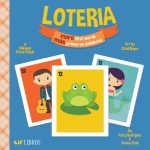
Have you ever played Lotería? Let me share with you the fantastic benefits of playing Lotería or a similar well-known memory game: Bingo.
Children practice many early literacy skills when playing memory games such as Lotería and Bingo: exposure to new vocabulary, visual recognition and attention to detail, fine motor skills, and hand-eye coordination. The environment you create when playing the game is also important. The game can played in small or large groups: design a group that creates a sense of well-being and excitement in the new learning opportunity. Children will also work on problem-solving skills, engaging with others, asking questions (why, how, who), and incorporating math, facts, and brain development. Play these memory board games in groups and take turns. This will develop important school-readiness skills: playing with others, following directions, and taking turns.
Another benefit of Lotería? It can be played pretty much anywhere: at home, in the park, in the library, or outdoors.
Have you ever experienced storytelling without a book, perhaps storytelling through a radio or podcast? What’s the first thing that comes to mind when you listen to a story?
Our imagination goes wild because of all the fantastic visuals we create as we listen to the story. Young children enjoy storytelling because they can ask questions, be detailed, and add to the story. Experience the joy of storytelling with the Yolo County Library Dial-A-Story/ Telecuento services.
YCL Dial-A-Story features stories for children 3-8 years old.
You can choose to hear a story in English or Spanish. Try it by calling 530-298-9990
Here are some other benefits children gain from storytelling:
– Develop listening skills.
– Develop vocabulary.
– Develop an understanding of storytelling, e.g. sequence of events.
In this backpack, you will find various books of traditional stories that you will enjoy reading with your children. The backpack contains picture books, a puppet, and a felt board.
¿Alguna vez has experimentado la narración de historias sin un libro, tal vez a través de una radio o un podcast? ¿Qué es lo primero que te viene a la mente cuando escuchas una historia?
Nuestra imaginación se vuelve loca debido a todas las fantásticas imágenes que creamos mientras escuchamos la historia. A los niños pequeños les gusta contar cuentos porque pueden hacer preguntas, ser detallistas y agregar a la historia. Nuestra Biblioteca del Condado de Yolo cuenta con servicios de Dial-A-Story / Telecuento.
Este mes de atención es nuestra mochila bilingüe de alfabetización temprana, Cuentos Tradicionales; En esta mochila encontrarás varios libros de cuentos tradicionales que disfrutarás leyendo con tus hijos en casa. La mochila contiene libros ilustrados, una marioneta y un objeto de fieltro.
Do you know about dictionary games? Pick a word of the day and look up the definition of the word. Start using the word in sentences. Spell and write the word and use it in written sentences. Use the word in conversation during the week. Look up words that your child might be studying at school. This will increase your child’s vocabulary and their ability to read at grade level. For younger children, listening to the word, even if they don’t understand it, will benefit their development and school readiness.
Estás construyendo vocabulario con juegos de diccionario. Aumente el vocabulario de su hijo agregando nuevas palabras de un diccionario a los juegos. Escoge una palabra del día y busca la definición de la palabra. Empieza a usar la palabra en las oraciones. Deletrea y escribe la palabra y úsala en oraciones escritas. Usa la palabra en una conversación durante la semana. Busque palabras que su hijo podría estar estudiando en la escuela. Escuchar la palabra beneficia el desarrollo cognitivo del niño.
Motivate your child to repeat the word various times. If some words are tricky to pronounce, break the word into syllables. This will help sound out the word if the child is learning long new words. Write the word somewhere in the house where the child can see it; some children are visual learners. Children learn by repetition, so be creative and find ways to use new words in the car, while shopping, and doing errands.
Motive a su hijo a repetir la palabra varias veces. Si algunas palabras son difíciles de pronunciar, divídelas en sílabas. Podría ayudar a pronunciar la palabra si el niño está aprendiendo palabras nuevas y largas. Escriba la palabra en algún lugar de la casa donde el niño pueda verla; Algunos niños aprenden visualmente, así que úselo en el automóvil mientras conduce. Los niños aprenden por repetición.
Story Time Kit Spotlight of the month:
Did you know we have a “Families” story time kit? You will find many books about all kinds of families – families with two last names, families with grandparents, and lots of stories about families with new babies on the way. You will also find puppets and other fun activities to do. This kit, and others like it, can keep the children busy during rainy days or long car trips. Check it out at your local Yolo County Library branch.
Here are some ideas for families:
-Read together!
-Draw pictures of family members
-Make a family tree
-Make a family bingo game
Kit de la Hora del Cuento Destacado del mes:
¿Sabías que tenemos un kit de cuentos para “Familias”?
Aquí hay algunas ideas adicionales para ampliar los kits en casa o en la escuela.
-¡Leer!
-Pida a los niños que hagan dibujos de los miembros de su familia
-Hacer un árbol genealógico
-Hacer un juego de bingo familiar
-Lleve el kit con usted para un largo viaje en automóvil o vacaciones familiares
Family Literacy posts are written by Leticia Flores, Family Literacy Specialist, Yolo County Library
The conversations you have with your child are creating a (1) rich vocabulary, (2) creative thinking, (3) conversation skills (e.g., taking turns, listening), (4) self-awareness and expression, and an attending mindset (e.g., making eye contact, body language, reacting by smiling, etc.).
Building a storytelling, reading, and singing routine is a quick way to boost your child’s early literacy skills. Parents can also engage their children by discussing what items to put in their cart at the grocery store. For example, you could discuss what the household is making for dinner, the array of colors you see in the food packages, and the texture of fruits and vegetables. Use descriptive words such as “smooth, shiny” or “fuzzy, soft”.
Reading a wordless book can give you and your child a chance to make up your own story.
While logged in, you also have access to The New York Times InEducation, which provides curated reading lists across 12 disciplines of study.
If you have questions about accessing the NYT, please contact NYT@library.ca.gov.
Find your next great read. Learn more about books and genres you like with Novelist Plus.
Still can’t find what you are looking for? Go to our catalog page and select “Make a Purchase Suggestion” under the Books and More drop-down menu.
Free access to The New York Times Online for 72 hours. Click on the “REDEEM” button. Then create an account or log in with your email address and password. For more information, please watch the short videos which can be found on the Research page. If you have questions about accessing the NYT, please contact NYT@library.ca.gov.
Find your next great read. Learn more about books and genres you like with Novelist Plus.

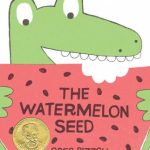 Las frutas de verano como las fresas, duraznos, arándanos y sandía no solo son saludables y deliciosas, sino que también están llenas de experiencias sensoriales que estimulan el aprendizaje del lenguaje.
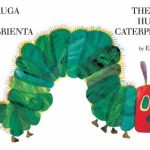 Lleva tu hora de cuentos a un parque local, el jardín o el patio. Prepara una manta, una cesta con libros y bocadillos de frutas frescas. Deja que tu hijo elija los libros y las frutas: eso les da autonomía y entusiasmo.
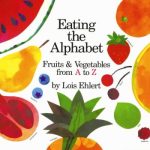 Anima a tu hijo a dibujar o escribir sobre las frutas que prueban o las aventuras al aire libre que viven después de leer. Incluso pueden pegar calcomanías de frutas, envoltorios o hojas para hacerlo más interactivo.
 ¡Gana libros y premios! Haz clic en el siguiente enlace para obtener más información:
 After reading a book like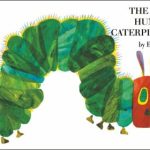

 Echa un vistazo a nuestros kits de aprendizaje temprano: