Summer is the perfect time to relax, explore, and learn together as a family. The best part? Learning doesn’t have to feel like school! A few minutes of reading, talking, playing, and creating each day can help children stay curious and confident all summer long.
The Summer Reading Program runs from June 1 through August 15 and is open to all ages—babies, kids, teens, and adults! Families can sign up, track reading, complete fun activities, and earn rewards along the way. Everyone who participates can receive a free book, and finishers earn additional prizes. All reading counts! Visit our website for more details.
5-Minute Family Literacy Adventures
Word Hunt Walk
Take a walk around your neighborhood and look for:
5 words on signs
3 things that start with the letter “S”
1 interesting thing to describe
Talk about what you found!
Summer Story Jar
Write simple prompts on slips of paper:
A talking watermelon
A treasure map
A dancing dog
Pick one and make up a silly family story together.
Picnic Reading
Grab a blanket and read outside for 10 minutes. Everyone reads their own book or listens to a read-aloud.
Draw Your Favorite Character
After reading, draw a favorite character and share:
What they like about the character and their drawing?
What makes them special?
What adventure should the character have next?
Read & Recipe
Read a book about food, then make a simple snack together. Talk about measuring, counting, and following directions.
Reading a little every day helps keep minds growing all summer long. Whether you’re reading on the couch, under a tree, at the park, or at the library, every page is an adventure! Happy Summer Reading, Yolo County Families!
Los buenos lectores no nacen, se forman. Este es un recordatorio importante: el desarrollo de la lectura no necesita solo programas especiales. Crece a través de las interacciones diarias, las relaciones y los pequeños momentos en casa que tienen mucho significado.
¿Por Qué Es Importante la Lectura?
Las habilidades de lectura y lenguaje son la base para el éxito en la escuela, la comunicación y el aprendizaje durante toda la vida. Además, leer juntos fortalece las relaciones, despierta la curiosidad y ayuda a que los niños se sientan seguros y con confianza.
Formas Prácticas para Apoyar la Lectura en Casa
Bebés (0–2 años)
Incluso los bebés aprenden del lenguaje que escuchan. Anime a los cuidadores a hablar, cantar y describir lo que hacen cada día. Los libros resistentes se pueden explorar libremente—tocarlos, pasar las páginas e incluso morderlos es parte del aprendizaje.
Niños pequeños (2–3 años)
La repetición es muy importante. Leer el mismo cuento varias veces ayuda a aprender palabras nuevas y entender mejor la historia. Hacer preguntas simples los mantiene interesados.
Preescolares (3–5 años)
La imaginación crece rápidamente. Contar historias, reales o inventadas, ayuda a desarrollar la creatividad. Jugar con rimas y sonidos fortalece las bases de la lectura.
Niños en edad escolar (6–10 años)
La constancia es clave. Leer todos los días, aunque sean 10–15 minutos, hace una gran diferencia. Dejar que los niños elijan sus libros aumenta su interés y motivación.
Adolescentes (11+ años)
La lectura sigue siendo importante en esta etapa. Respetar lo que les gusta leer—libros, artículos o novelas gráficas—los mantiene interesados. Hablar sobre temas reales ayuda a desarrollar su forma de pensar.
Hacer la Lectura Parte de la Vida Diaria: Cada palabra que se habla, cada historia que se comparte y cada conversación ayuda al desarrollar.
Strong readers aren’t born, they’re nurtured. This is a powerful reminder that literacy development doesn’t require specialized programs. It grows through everyday interactions, relationships, and small, meaningful moments at home.
Why Literacy Matters
Reading and language skills are the foundation for academic achievement, communication, and lifelong learning. Just as important, shared reading experiences strengthen relationships, spark curiosity, and build a child’s sense of belonging and confidence.
Spend time at your local library this summer, join the Summer Reading Program, and your child will become comfortable around books. The Library has books for all ages and interests. The links below will guide you to the Library’s online catalog. Request a book online, and it will be ready to pick up the next time you visit the library. Or make a note and ask a librarian to help you find it the next time you visit.
Practical Ways Families Can Support Literacy
Babies (0–2 years)
Even the youngest children benefit from language-rich environments. Encourage caregivers to talk, sing, and describe daily routines. Board books can be explored freely by touching, flipping pages, and even chewing! All these activities are part of early learning.
Toddlers (2–3 years)
Repetition is key at this stage. Go ahead and read the same story multiple times! Toddlers build vocabulary and comprehension through this process. Ask simple questions to keep them engaged.
Preschoolers (3–5 years)
Imagination and language skills expand rapidly. Encourage storytelling—whether real or pretend—to build creativity and narrative skills. Playing with rhymes and sounds (alliterations, onomatopoeias) will strengthen early reading foundations.
School-Age Children (6–10 years)
Consistency and choice matter. Even 10–15 minutes of daily reading can have a significant impact. Allow children to choose what they read – you will increase motivation and enjoyment.
Teenagers (11+ years)
Literacy continues to evolve in adolescence. Respecting teens’ reading preferences, whether books, articles, or graphic novels, keeps them engaged. Connecting reading to real-world topics helps develop perspective and reasoning.
Making Literacy Part of Everyday Life: Every word spoken, every story shared, and every conversation held contributes to a child’s development.
Marzo ya está aquí, trayendo días más largos, ¡flores en pleno florecimiento y la oportunidad perfecta para florecer con la lectura! A medida que la naturaleza comienza a despertar, es un momento maravilloso para conectar la alfabetización con el aire libre. Leer afuera mejora el estado de ánimo, despierta la curiosidad y ayuda a los niños a hacer conexiones significativas entre las historias y el mundo que los rodea. Ya sea leyendo bajo un árbol, sobre una manta de picnic o escuchando los pájaros mientras pasan las páginas, la primavera ofrece un escenario fresco y emocionante para fortalecer las habilidades de lectura.
La naturaleza y la alfabetización van de la mano. Las historias sobre jardines, animales, lluvia y crecimiento ayudan a los niños a ampliar su vocabulario mientras experimentan estos elementos en la vida real. Estos temas primaverales cobran vida al leer al aire libre, ayudando a los niños a visualizar escenarios, comprender los cambios de estación e involucrar todos sus sentidos en el aprendizaje.
¿Busca actividades sencillas de alfabetización al aire libre?
-Prueben una Caminata de Cuento (Story Walk) en su patio o parque local: lean una página y luego hagan una pausa para encontrar en la naturaleza algo relacionado con la historia.
-Organicen una Búsqueda de Palabras de la Naturaleza escribiendo palabras simples como “flor”, “pájaro” o “nube” en papel y buscándolas afuera.
-Después de leer, animen a su hijo(a) a dibujar lo que vio o a inventar su propia historia primaveral inspirada en su entorno.
Incluso llevar una canasta de libros afuera para un acogedor “picnic de lectura” puede convertir una tarde común en una aventura literaria.
¡No se pierdan nuestros emocionantes eventos del Día de los Niños que se celebrarán pronto en su biblioteca local del condado! Esta celebración especial honra a los niños y las familias, y promueve el amor por la lectura con actividades divertidas, cuentos y conexiones comunitarias para todas las edades.
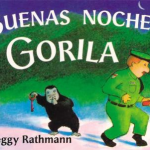
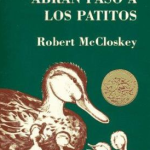
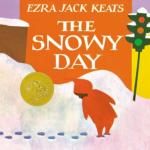
Clásicos favoritos como, son excelentes opciones para disfrutar en esta temporada.
Visite YoloCountyLibrary.org para conocer fechas, horarios y ubicaciones de nuestros próximos eventos y así unirse a la celebración en la sucursal más cercana. ¡Esperamos verlos allí!
March is here, bringing longer days, blooming flowers, and the perfect chance to spring into reading! As nature begins to wake up, it’s a wonderful time to connect literacy with the outdoors. Reading outside boosts mood, sparks curiosity, and helps children make meaningful connections between stories and the world around them. Whether it’s reading under a tree, on a picnic blanket, or listening to birds while turning pages, spring offers a fresh and exciting backdrop for building strong literacy skills.
Don’t miss out on our exciting Día de los Niños events coming soon to your local county library! This special celebration honors children and families, and the joy of reading with fun activities, stories, and community connections for all ages.
Be sure to visit the Yolo County Library for event dates, times, and locations so you can join the celebration at a branch near you. We can’t wait to see you there!
Looking for simple outdoor literacy activities?
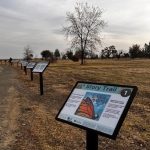
Try a Story Walk in your backyard or local park, read a page, then pause to find something from the story in nature. Try the Capay Open Space Park Story Trail by Yolo County Library
Create a Nature Word Hunt by writing simple words like “flower,” “bird,” or “cloud” on paper and searching for them outside.
After reading, encourage your child to draw what they saw or make up their own spring story inspired by their surroundings.
Bring a basket of books outside for a cozy “reading picnic”. Turn an ordinary afternoon into a literacy adventure!
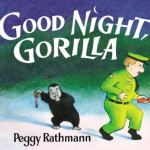
Nature and literacy go hand in hand. Stories about gardens, animals, rain, and growth help children expand vocabulary while experiencing these things in real life. Reading these stories together helps children visualize settings, understand seasonal changes, and engage all their senses in the learning experience. Enjoy classic favorites or explore and find new ones!
Winter break brings a precious gift—time together. As the world slows down and home feels a little warmer, families can enjoy simple moments that build connection, spark imagination, and create memories children will treasure long after the holidays fade.
Create a Cozy Reading Corner
Tuck a few blankets, pillows, and favorite books into a quiet spot. Add twinkle lights or a small lamp and let kids settle in with a warm drink. Even just 10 minutes of quiet reading —together, side by side—is enough to create a peaceful family moment.
Sip & Read Together
Warm cocoa, peppermint tea, or apple cider can turn reading into a small celebration. Take turns reading aloud or let older children read to younger siblings. It’s a simple way to slow down and enjoy each other’s company.
Try a Gentle Winter Reading Challenge
Encourage playful reading moments like:
Reading under a blanket
Reading next to the tree
Reading a snowy book
Reading with a pet or stuffed friend
Add small rewards like stickers or extra marshmallows to make it extra fun.
Cook and Read in the Kitchen
Reading recipes together is a wonderful way to build literacy while making memories. Let your child stir, pour, or read aloud ingredients. Create a “family recipe book” where you save your favorite winter treats year after year.
Tell Your Own Winter Stories
Invite kids to invent stories using drawings, story dice, or winter-themed words. These homemade tales often become the sweetest keepsakes—little snapshots of imagination and family laughter.
Start a Winter Reading Night
Choose one evening to unplug and simply read together. Picture books, chapter books, graphic novels… anything goes! End by sharing a favorite part. It’s a family tradition kids will look forward to every year. These simple moments help children grow as readers and create memories that feel just as warm as a cozy blanket on a chilly day.
A medida que llega el otoño y la luz del día comienza a desvanecerse un poco antes, las familias suelen encontrarse ajustando sus ritmos. Los días se vuelven más cortos, las noches más acogedoras, y surge una suave invitación a desacelerar. Para los padres y los niños pequeños, este cambio de estación puede traer tanto consuelo como desafío, especialmente cuando nuestras rutinas, horarios de sueño y niveles de energía comienzan a cambiar.
Abrazar el Cambio: El Cuidado Personal a Través de la Rutina y el Ritmo
El cambio en las horas de luz puede afectar a cada persona de manera diferente. Los niños pueden sentirse somnolientos más temprano o más inquietos mientras sus cuerpos se ajustan. Los padres también pueden sentir esa tensión entre los horarios ocupados y la necesidad de descanso.
Crear rutinas suaves puede ayudar a todos a sentirse más equilibrados. Intenta lo siguiente:
Un momento de lectura para “relajarse” después de la cena, antes de que oscurezca por completo.
Un ritual acogedor por la mañana, como leer juntos bajo una manta con una bebida caliente antes de comenzar el día.
Caminatas tranquilas en familia al atardecer para disfrutar del cambio de las hojas y conversar sobre lo que observan juntos.
Leer Juntos: Historias que Reconfortan y Conectan
Los libros pueden ayudar a los niños a comprender las transiciones —desde los cambios de estación hasta las nuevas rutinas. Elige historias que reflejen calidez, conexión y adaptabilidad. Leer estos libros juntos puede abrir conversaciones amables sobre los cambios, el consuelo y el sentido de pertenencia.
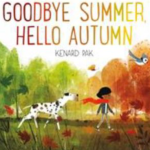
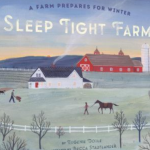
Aquí tienes algunas lecturas maravillosas para el otoño y para fortalecer los lazos familiares:
As autumn settles in and daylight begins to fade a little earlier, families often find themselves adjusting to new rhythms. The days grow shorter, evenings cozier, and there’s a gentle invitation to slow down. For parents and young children, this seasonal shift can bring both comfort and challenge especially when our routines, sleep schedules, and energy levels start to change.
Embracing the Shift: Self-Care Through Routine and Rhythm
The change in daylight can affect everyone differently. Children might feel sleepy earlier or more restless as their bodies adjust. Parents, too, may feel that tug between busy schedules and the need for rest.
Creating gentle routines can help everyone feel grounded. Try:
A “wind-down” reading time after dinner, before the evening gets too dark.
A cozy morning ritual, like reading together with a blanket and warm drink before starting the day.
Quiet family walks at dusk to enjoy the changing leaves and talk about what you notice together.
Reading Together: Stories That Comfort and Connect
Books can help children make sense of transitions from changing seasons to new routines. Choose stories that reflect warmth, connection, and adaptability. Reading these books together can open gentle conversations about changes, comfort, and belonging.
Here are a few wonderful reads for fall and family connection:
En el corazón del crecimiento de cada niño está la alegría de aprender. Una de las mejores maneras de apoyar ese crecimiento es a través de actividades de lectura que sean divertidas, amorosas y adaptadas a la forma única en que cada niño aprende.Si estás criando o enseñando a un niño con discapacidades del desarrollo, sabes lo especial y maravilloso que es su camino de aprendizaje. Cada pequeño paso cuenta—y estamos aquí para acompañarte en ese viaje.Ya sea que estés en casa, en la escuela o visitando la biblioteca, hay muchas formas sencillas y alegres de incluir la lectura en el mundo de tu hijo.
¿Qué es la literatura (y por qué es más que solo leer)?
La alfabetización es más que leer libros. También incluye escuchar cuentos, mirar imágenes, cantar canciones, aprender nuevas palabras y explorar el mundo con curiosidad. Para los niños con retrasos o discapacidades del desarrollo, los momentos cotidianos pueden convertirse en grandes oportunidades para fortalecer el lenguaje y la comunicación.
Actividades Fáciles de literatura para el Hogar o la Escuela
Aquí te compartimos algunas formas divertidas y cariñosas de apoyar las habilidades de lectura de tu hijo/a:
Cuentos con Abrazos
Acurrúquense con un libro favorito—¡aunque solo quieran mirar las imágenes! Describan lo que ven juntos. Permite que tu hijo pase las páginas. Usa voces graciosas para los personajes.
Canta y Ríe con Canciones
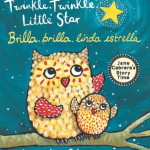
Canciones como “Estrellita dónde estás” o “La araña pequeñita” tienen ritmo, repeticiones y movimientos con las manos que ayudan al lenguaje y la coordinación.
Habla Sobre el Día
Narra lo que están haciendo: “Estamos poniéndote los calcetines rojos. ¡Uno, dos!” Esto ayuda a ampliar el vocabulario de forma natural.
Libros sin Palabras o con Imágenes
Permite que tu hijo invente la historia al mirar las imágenes—¡o hagan una juntos! Los libros sin texto fomentan la imaginación.
Explora la Biblioteca como una Aventura
Visita tu biblioteca local y busca libros sobre lo que más le gusta a tu hijo—¡dinosaurios, camiones, animales o colores! Deja que él o ella elija.
¡La Biblioteca es tu Compañera en la Lectura!
Nos llena de alegría compartir que la Biblioteca del Condado de Yolo, en colaboración con Help Me Grow Yolo, está aquí para apoyar a tu familia.
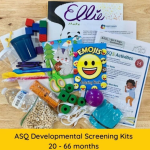
¡Puedes pedir prestado un kit gratuito de evaluación ASQ!
¿Quieres saber cómo va el desarrollo de tu hijo/a? Ahora puedes pedir prestado un kit con el Cuestionario de Edades y Etapas (ASQ) en la biblioteca. Es una herramienta sencilla y amigable para las familias que ayuda a seguir el crecimiento del niño en áreas como el lenguaje, la motricidad y la resolución de problemas.
Cada Niño es una Historia por Contar
Cada niño aprende a su propio ritmo y de su propia manera—¡y eso es algo para celebrar! Con amor, paciencia y un poco de creatividad, la lectura puede convertirse en una parte alegre de la vida diaria. Así que canta una canción, cuenta un cuento y visita la biblioteca—¡nunca sabes qué aventuras les esperan!
At the heart of every child’s growth is the joy of learning, and one of the best ways to support that growth is through literacy activities that are fun, loving, and tailored to each child’s unique way of learning. If you are caring for a child with developmental disabilities, you already know how special and amazing their learning journey is. Every small step matters! Whether you’re at home, in school, or visiting the library, there are so many easy and joyful ways to bring literacy into your child’s world.
What is Literacy (and Why It’s More Than Reading!)
Literacy is more than just reading books. It’s also listening to stories, looking at pictures, singing songs, learning new words, and exploring the world with curiosity. For children with developmental delays or disabilities, everyday moments can be meaningful opportunities to build language and communication skills.
Easy Literacy Activities to Try at Home or School
Here are some fun, gentle ways to support your child’s literacy skills:
Story Time Snuggles
Cuddle up with a favorite book—even if your child only wants to look at the pictures. Describe what you see together. Let them turn the pages. Use silly voices for the characters.
Sing-Along Songs & Rhymes
Songs like “Twinkle Twinkle” or “Itsy Bitsy Spider” are full of rhythm, repetition, and hand motions that help with language and motor development.
Use Picture Books or Wordless Books
Let your child make up the story based on the pictures—or you can tell one together! Books without words are wonderful for imagination.
The Library is Your Literacy Partner!
We are proud to share that the Yolo County Library, in collaboration with Yolo County Help Me Grow, is here to support your family.
Wondering how your child is doing in their development? You can check out an Ages & Stages Questionnaire (ASQ) kit from the library! It’s a simple, parent-friendly tool that helps track your child’s growth in areas like communication, motor skills, and problem-solving.
Every Child is a Story Waiting to Be Told
Every child learns in their own way, at their own pace, and that’s something to celebrate. With love, patience, and a little creativity, literacy can become a joyful part of your family’s everyday life. Sing a song, tell a story, and visit your library… you never know what adventures await!
While logged in, you also have access to The New York Times InEducation, which provides curated reading lists across 12 disciplines of study.
If you have questions about accessing the NYT, please contact NYT@library.ca.gov.
Find your next great read. Learn more about books and genres you like with Novelist Plus.
Still can’t find what you are looking for? Go to our catalog page and select “Make a Purchase Suggestion” under the Books and More drop-down menu.
Free access to The New York Times Online for 72 hours. Click on the “REDEEM” button. Then create an account or log in with your email address and password. For more information, please watch the short videos which can be found on the Research page. If you have questions about accessing the NYT, please contact NYT@library.ca.gov.
Find your next great read. Learn more about books and genres you like with Novelist Plus.



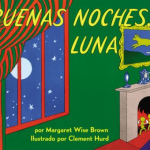
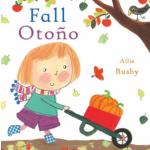
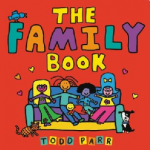
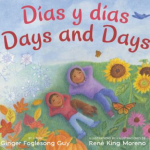 ias y días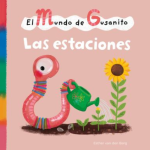


 La alfabetización es más que leer libros. También incluye escuchar cuentos, mirar imágenes, cantar canciones, aprender nuevas palabras y explorar el mundo con curiosidad. Para los niños con retrasos o discapacidades del desarrollo, los momentos cotidianos pueden convertirse en grandes oportunidades para fortalecer el lenguaje y la comunicación.