We know that communication is at the heart of every relationship. Whether verbal or nonverbal, how we express ourselves shapes how we connect with our children and how they navigate the world around them. One of the simplest yet most powerful forms of communication we have at our disposal is a smile.
A smile is universal, transcending language, culture, and even age. For children, a smile can be a powerful tool for emotional and social development. It is more than just a gesture of happiness – it can carry meanings such as “thank you,” “I see you,” “I appreciate you,” or simply, “I am here with you.” By teaching children to recognize and use the power of a smile, we are helping them develop emotional literacy and deepen their connections with others.
A Smile as a “Thank You” – In the fast-paced world we live in, sometimes simple gestures of gratitude can get overlooked.
A Smile as “I See You” – Every child wants to feel seen, heard and understood. Sometimes, it’s not enough to just tell them we see them – we need to show them through our actions.
A Smile as “I Appreciate You” – A child picking up their toys, helping to set the table, or simply sharing a smile with a sibling – all these actions deserve acknowledgment.
A Smile as a Form of Communication – Words are not a child’s first form of communication – expressions are.
Smiling for Connection and Comfort – A smile is also a form of comfort.
Teaching Smiles as a Lifelong Skill – When we teach children to smile in return, we are teaching them a valuable life skill – to acknowledge the world around them with positivity and warmth.
Learning one’s mother tongue is essential for children’s cognitive development and self-awareness for so many reasons. This blog has mentioned a few! While those on the outside can learn to appreciate the languages and the people who belong to diverse Native American cultures that have persisted for those within Native American communities, it is so much more. It is a sense of pride and empowerment in self-identity.
A 2010 study conducted by the Census found that 169 Native American spoken languages exist in the US alone. While Native American languages make up a large chunk of non-English languages (about 40% actually) only 4 million people speak those languages.
This isn’t new information for Native American tribes as they’ve already made enormous efforts to preserve their cultures by teaching those languages to future generations. These efforts at revitalizing their languages have not been in vain, just take a look at some of the results that have yielded since such programs started.
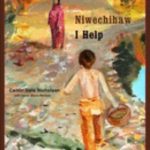
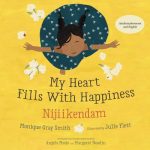
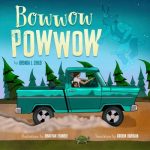
Here at YCL we have a collection of books and resources for those who are seeking to reconnect with their languages or learn about Native American languages. Please note that some of these books provide full sentences, others have phrases or words within a mostly English text.
We have lots of books in any of these languages above, please ask our librarians for more or look them up in our catalog.
In a hurry? Check out this Turtle Island Storytime Kit available for check out at any of our YCL libraries! The kit contains several books, a puppet and some activities ready to go in one box for your little ones to enjoy.
Have you checked out Mango yet? No, it’s not a fruit! This is a new and free language app YCL has partnered with. You can learn Cherokee or Potawatomi from the comfort of your home using your computer or on the go with your smartphone.
Don’t see something you want to read in our catalog? You can suggest a book for our libraries to purchase under the “Books and More” tab on our Yolo County Library catalog.
TAGS: Language, Indigenous, Native American, Dual Language Learning
While logged in, you also have access to The New York Times InEducation, which provides curated reading lists across 12 disciplines of study.
If you have questions about accessing the NYT, please contact NYT@library.ca.gov.
Find your next great read. Learn more about books and genres you like with Novelist Plus.
Still can’t find what you are looking for? Go to our catalog page and select “Make a Purchase Suggestion” under the Books and More drop-down menu.
Free access to The New York Times Online for 72 hours. Click on the “REDEEM” button. Then create an account or log in with your email address and password. For more information, please watch the short videos which can be found on the Research page. If you have questions about accessing the NYT, please contact NYT@library.ca.gov.
Find your next great read. Learn more about books and genres you like with Novelist Plus.

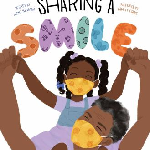 A smile is universal, transcending language, culture, and even age. For children, a smile can be a powerful tool for emotional and social development. It is more than just a gesture of happiness – it can carry meanings such as “thank you,” “I see you,” “I appreciate you,” or simply, “I am here with you.” By teaching children to recognize and use the power of a smile, we are helping them develop emotional literacy and deepen their connections with others.

 Featuring great books and exploring topics important to families, this page will make learning together interesting and fun.